
For most people taking a sensible amount, purified shilajit goes down without much fuss, and the shilajit side effects that do show up are usually small ones. Think a little digestive upset or queasiness in the first few days, and, much more rarely, an allergic reaction like a rash or itching. That is the honest short version, and it is what most people landed here looking for.
Here is the part most articles gloss over. The biggest genuine risk with shilajit is not shilajit at all. It is purity. The harm people worry about comes from raw, unpurified material scraped straight off the rock, not from properly purified, lab-tested resin.
Below we walk through the side effects people genuinely report, who has a reason to be careful or steer clear, the medication cautions worth knowing, and how to take it sensibly so you get the good without the grief.
Is shilajit safe? The short, honest answer
For healthy adults who keep to small amounts, purified and third-party tested shilajit is generally thought to be safe. The side effects that do appear tend to be mild and fairly uncommon. The honest caveat is that solid human research is still limited, and we would sooner say that plainly than pretend the science is settled.
What we do have is a very long history of use. People have leaned on shilajit in traditional medicine for many generations, and that tells us something real about how it sits with the body over time. The modern studies are still catching up, and the large, long-running safety trials you would really want are not there yet. So the fair summary is this: a clean, well-made product taken in small amounts has a good safety record, and we are not going to oversell what has not been proven.
If you want the other side of the ledger, our guide to what purified shilajit actually offers covers the upside in the same honest spirit.
The shilajit side effects people actually report
Most of the shilajit side effects people mention are mild, and they usually settle in the first week or two as your body adjusts. They have far more to do with dose and how you start than with anything alarming.
Digestive upset or nausea when starting
This is the usual one. It tends to crop up when the dose is too large, or when you take it on an empty stomach first thing in the morning. Shilajit has a strong, earthy, almost tar-like character, and a big serve of it can sit heavily. Cut the amount right back, take it with or after food, and it generally settles.
An allergic reaction (rare)
A small number of people react the way they might to anything new to their system: a rash, itching, or hives. It does not happen often, but if it does, stop taking it and see your doctor. A reaction like that is your body making it clear this one is not for you.
Feeling too warm
Some people find they run a little hot on shilajit, particularly in summer. That is not a fault in the product, it is the nature of the substance, and we have given it its own section below because it is worth getting your head around.
The mild effects to watch for, at a glance:
- Digestive upset or loose stools when you first start
- Nausea, usually from too large a dose or an empty stomach
- A rash, itching or hives (rare allergic reaction, stop and see a doctor)
- Feeling warmer than usual, more noticeable in hot weather
"[...] I went through 1 week of detox and experienced some gut rumbles from this but now that's passed and I'm feeling awesome. The detox was really mild, and worth it"

The real risk is purity, not the substance
This is the part that matters most, and the part cheap brands would rather you never stopped to think about.

Raw shilajit, the sort levered off rock faces and sold barely processed, can carry heavy metals, mould and fungi, and free radicals. The mountains it comes from may be pristine, but the raw material still has to be cleaned properly before anyone should be swallowing it. When you come across frightening stories of shilajit causing harm, the real cause is almost always contaminated, unpurified product rather than the substance itself.
Proper purification sorts this out. Done well, it lifts out the heavy metals and other contaminants while keeping the minerals and fulvic acid that make shilajit worth taking at all. If you want to get your head around what is actually in good shilajit, fulvic acid is the part most people are really after.
So when people ask whether shilajit is safe, our honest answer is that our purified, lab-tested resin is the kind that is safe to take. It is the untested, dodgy stuff that should worry you.
Shilajit and your liver
There is no good evidence that purified shilajit harms a healthy liver at sensible doses. The liver fears you may stumble across nearly always lead back to contaminated, unpurified product loaded with heavy metals, not to clean resin. Put simply, it is a purity problem wearing a shilajit costume.
That said, your liver does the work of processing everything you take in, so a bit of common sense is fair. If you have a diagnosed liver condition, or you are on medication your liver has to break down, run it past your own doctor before adding shilajit. And only ever use a product that has been properly tested, because that keeps the whole question simple.
Shilajit and your kidneys
For healthy kidneys at sensible doses, there is no strong evidence that shilajit does harm. If anything, traditional medicine has long seen it the opposite way, as a tonic for the kidneys rather than a danger to them. You can read more about shilajit's traditional role as a kidney tonic if that side of it interests you.
As with the liver, the things that genuinely count are purity and dose. Contaminated product and oversized amounts are the real risks, not clean resin used sensibly. If you have kidney disease or reduced kidney function, speak to your own doctor first, because anything that changes your mineral load is worth running past someone who knows your bloods.
Who should avoid shilajit
Most healthy adults will be fine. But a handful of groups should be careful or give it a miss, and everyone on this list should check with their own doctor rather than take our word for it.
- Pregnant or breastfeeding. Give it a miss. There simply is not enough safety data for this stage, so the sensible call is to wait. If you are weighing it up more broadly, our piece on shilajit and women's health has more context.
- Haemochromatosis or iron overload. Avoid it. Shilajit contains iron, and if your body already stores too much, the last thing you want is more.
- Low blood pressure, or on blood pressure medication. Shilajit may push blood pressure down further, so be cautious and keep an eye on it with your doctor.
- Gout or high uric acid. It may lift uric acid, which can set gout off. Tread carefully.
- On blood thinners (such as warfarin) or any regular medication. Interactions are possible. Clear it with your doctor or pharmacist before you combine them.
- Coming up to surgery. Stop it beforehand and let your surgeon know, just as you would with any supplement.
None of this makes shilajit dangerous. It means a small number of people have specific reasons to take care, and being straight about that is part of doing this properly.
Shilajit and medication interactions
If you take medication regularly, the simple rule is to check with your doctor or pharmacist before you add shilajit. Interaction data is thin on the ground, so caution always beats guesswork.
The realistic cautions worth knowing:
- Blood thinners (such as warfarin): shilajit might affect clotting, so combining the two needs a doctor's sign-off.
- Blood pressure medication: shilajit may lower blood pressure, which can stack on top of your meds and drop it too far.
- Diabetes or blood-sugar medication: it may shift blood sugar, so anyone managing their levels closely should keep an eye out for changes.
- Iron supplements: shilajit already contains iron, so taking it alongside an iron supplement can add up to more than you meant to have, especially if you do not actually need the extra.
Because the research on these combinations is so limited, do not chance it. A two-minute chat with your pharmacist is the cheapest insurance going.
Shilajit runs warm, and when to ease off
In traditional energetics, shilajit is treated as warming or heating. That is not a marketing flourish, it is how it has been classified for a very long time, and it matches what plenty of people feel in their own bodies.
The practical upshot is simple. Take it gently in hot weather, and take it gently if you naturally run hot. Tradition also says to ease off during an acute fever, when your body is already overheated and does not need any more of it. None of this is dramatic, it is just sensible seasonal judgement.
"I have lived with Crohn's and low iron for about twenty years, so I read every label and I notice how things make me feel. Shilajit is brilliant for me through the cooler months, but I honestly ease off it through the Australian summer because it runs warm and I can tell. Listening to that is part of using it well."
Dean
How to take shilajit sensibly
Start small. A portion about the size of a grain of rice is plenty to begin with. More is not better with shilajit, and reaching for a bigger dose is the quickest way to bring on the nausea we mentioned earlier. Consistency is what does the work, not size.
A few things to steer clear of while taking it:
- Stacking it with iron supplements if you do not actually need iron. Shilajit already brings some along, so doubling up for no reason is pointless and can be too much.
- Taking a huge dose hoping for faster results. It does not work like that, and your stomach will soon let you know.
- Taking it while you are ill or feverish, given its warming nature. Wait until you are well again.
On daily and longer-term use, a small daily amount taken sensibly is generally fine for the long haul, which is exactly how it has always been taken. If you run warm, cycle it or ease off through the hotter months. Beyond that, listen to your body. If something feels off, drop the dose or take a break. For the back-story on the substance itself, where shilajit comes from is a good read.
Frequently asked questions
Is shilajit hard on your liver?
There is no good evidence that purified shilajit harms a healthy liver at sensible doses. The liver worries you may read about nearly always lead back to contaminated, unpurified product, not clean resin. If you have a liver condition or take medication, check with your own doctor first.
Is shilajit bad for the kidneys?
For healthy kidneys at sensible doses, there is no strong evidence of harm. In traditional medicine, shilajit has actually been valued as a kidney tonic. Purity and dose are what matter. Anyone with kidney disease should check with their doctor before taking it.
Who should avoid shilajit?
Give it a miss if you are pregnant or breastfeeding, or have haemochromatosis. Take care with low blood pressure, gout, blood thinners, or other regular medication, and pause before surgery. Everyone in these groups should check with their own doctor first.
What medications interact with shilajit?
The realistic cautions are blood thinners, blood pressure medication, diabetes or blood-sugar medication, and iron supplements. Interaction data is limited, so do not assume it is fine. Check with your doctor or pharmacist before combining shilajit with any regular medication.
How much is too much?
Start with a portion about the size of a grain of rice. More is not better, and large doses are the usual cause of nausea or digestive upset. A small daily amount taken consistently beats the occasional big serve every time.
Is it safe to take every day?
Taken sensibly at a small daily dose, purified shilajit is generally fine for ongoing use, which is how it has always been taken. If you run warm, cycle it or ease off through hot weather, and listen to your body.
The honest wrap
Shilajit suits most people when it ticks three boxes: properly purified, sensibly dosed, and skipped by the few groups who have a real reason to avoid it. Get those right and the side effects are usually mild and short-lived.
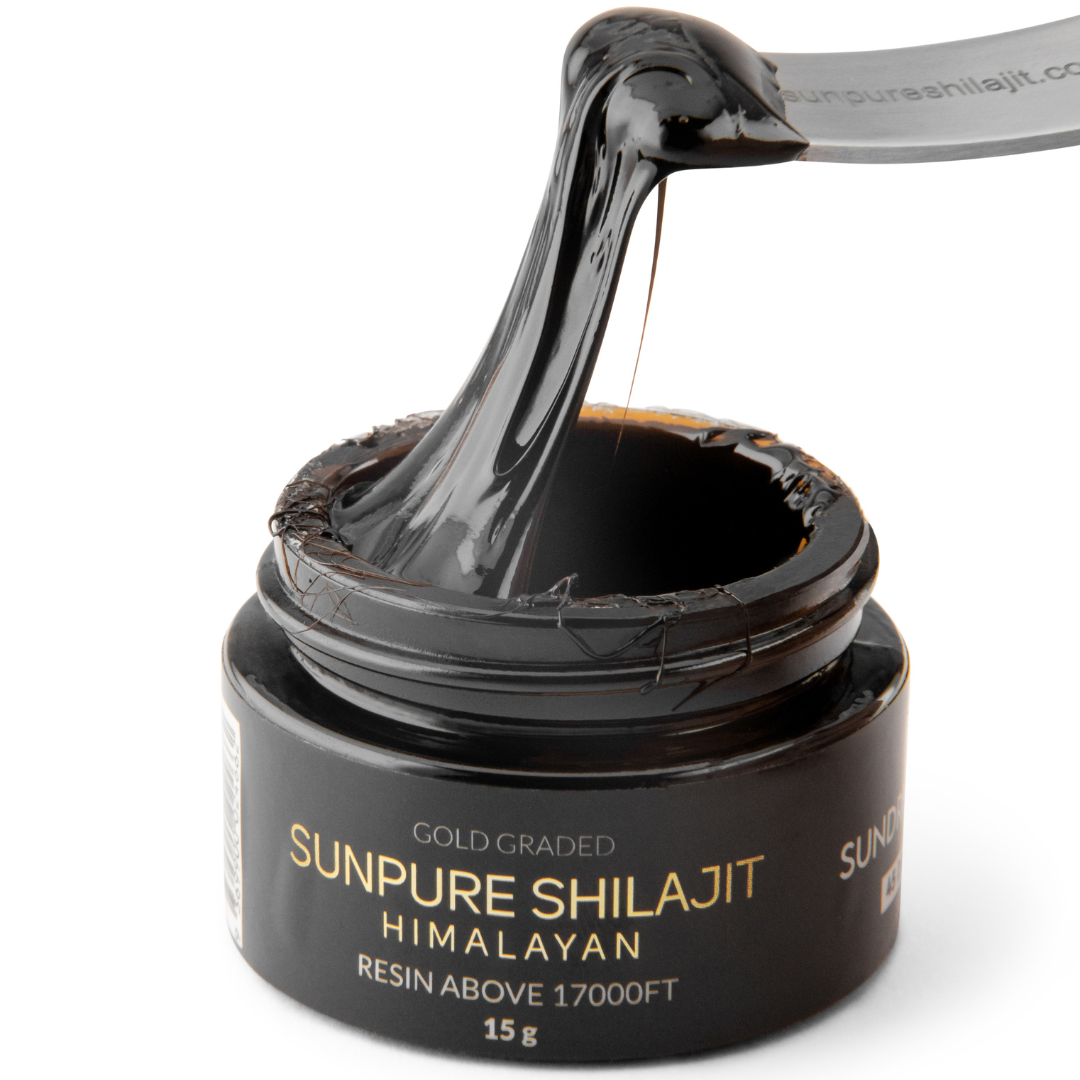
If you want a clean place to start, this is the purified, lab-tested Himalayan Sundried Shilajit Resin we make and take ourselves. And if you would rather keep reading first, our guides on shilajit as a kidney tonic and the benefits of pure Himalayan shilajit resin go deeper on the upside, with the same honesty.